

what is a speaker one sheet? and what goes in the media kit.
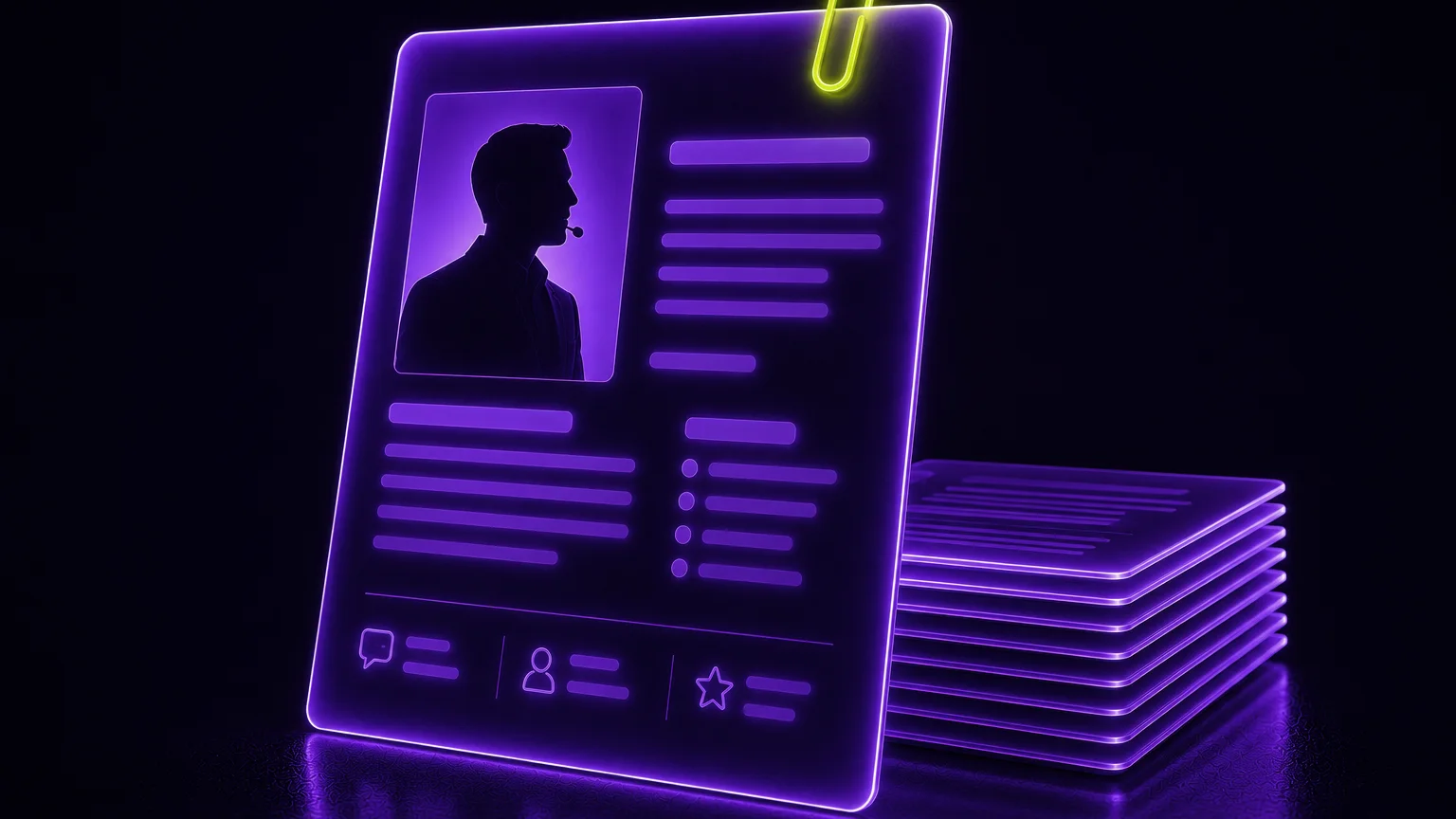
A speaker one sheet is a single-page document that sells you to event organizers: who you are, what you speak about, and why you are worth the fee. It is the one document that gets forwarded when you are not in the room. The media kit is everything behind it: photos, bios, talk descriptions, technical needs.
what is a speaker one sheet?
Think of it as a menu page for you. One page, front and back at most, that an event organizer can scan in thirty seconds and understand what you speak about, who you speak to, and how to book you. It is not a resume and it is not a brochure. It is a sales page that happens to be printable.
The name comes from the music industry, where a one sheet pitched an album to radio stations. Speakers borrowed it because the problem is identical: a busy stranger needs to say yes fast, based on one page, often while comparing you against a stack of other pages.
what goes on the one sheet?
Your name and positioning line. Not just "keynote speaker" but the specific promise: who you help and what changes after you leave the stage. A professional headshot. One, large, recent, and taken by someone who lights faces for a living. The photo does more selling than most speakers want to admit.
Your signature talks. Two or three titles with a sentence each on what the audience walks away with. Outcomes, not topics. Credibility markers. Past stages, awards, media appearances, the book. Pick the five that matter to your buyer, not all forty.
A short bio. Three or four sentences in the third person, written for the person introducing you. Testimonials. One or two lines from organizers, not audience members, because organizers trust other organizers. Contact details. Direct and obvious: your booking email, your site, one phone number. If they have to hunt, you lost.
what goes in the full media kit?
The one sheet is the cover. The media kit is the whole folder, and it exists so the organizer never has to email you for assets. Photos come first: a formal headshot, a casual alternative, and live stage shots in high resolution, in both portrait and landscape crops.
Then bios in three lengths: a 50 word version for programs, a 100 word version for websites and introductions, and a full page for press. Full talk descriptions follow, each with a title, a summary, audience takeaways, and the formats you offer, from keynote to half-day workshop.
Round it out with your technical rider, meaning microphone preference, slide format, confidence monitor, and anything else the AV team should know before you land. Add your logo files and your name spelled out phonetically. The kit that answers every question before it is asked is the kit that gets you rebooked.
how do event organizers actually use these?
Here is the part most speakers never see. The person you charmed at the conference is rarely the person who approves the booking. Your contact forwards your one sheet to a committee, a board, or a boss, and those people have never met you and never will before the vote.
Your one sheet has to win a meeting you are not invited to. It gets printed, attached to an agenda, skimmed between other items, compared against two or three other candidates. Your charm is not in the room. Your document is.
This is why design matters more than speakers expect. A committee member forming a thirty-second impression is not reading your credentials in order. They are reacting to whether the page looks like it came from a professional or a hobbyist, and they decide before they finish reading.
what do weak one sheets get wrong?
The most common failure is the crowded page. Twelve testimonials, nine logos, four fonts, every award since school. A page that says everything says nothing, and it signals that nobody with taste looked at your materials before they went out.
The second failure is vagueness. "Inspirational speaker on leadership and change" describes several thousand people. If the committee cannot repeat what you do in one sentence, they cannot champion you, and a champion is exactly what a forwarded document needs to create.
The third is stale assets: a headshot from two chapters of life ago, a talk you retired last year, a dead link. An outdated one sheet quietly tells organizers you are not booking much. That is the opposite of the message you paid for.
which do you need first?
The one sheet, without much debate. It is the smallest asset with the largest surface area, it forces you to sharpen your positioning, and every element of it feeds the bigger kit later. Build the one page that wins the forwarded email, then expand outward from there.
If you are not sure your positioning would survive a committee, that is precisely what the $500 brand audit exists for. And when you are ready for the full build, the speaker kits service covers the one sheet, the media kit, and everything an organizer will ever ask for, built once and built properly.
questions, answered.
what size and format should a one sheet be?
US letter or A4, depending on where you speak most, delivered as a PDF small enough to survive email. Design it to read well in black and white too, because committees still print. One page is the ideal, front and back is the ceiling.
do i need a one sheet if i already have a website?
Yes. A website cannot be attached to an internal email or printed for a board packet. The one sheet travels where links do not get clicked, and in the forwarding chain that decides most bookings, attachments get opened far more reliably than links.
what photos belong in a speaker media kit?
At minimum: one formal headshot, one relaxed alternative, and two or three live shots of you on stage with an audience visible. All high resolution, all recent, all in both horizontal and vertical crops so program and banner designers can work without emailing you.
how many bio lengths do i need?
Three covers nearly every request: about 50 words for event programs, about 100 words for websites and introductions, and a full-page version for press and podcasts. Write them once, in the third person, and keep all three telling the same story at different zoom levels.
how often should i update my one sheet?
Review it twice a year and after anything significant: a new signature talk, a major stage, an award, a new book. If your headshot is more than three years old, replace it. Organizers notice the gap between the photo and the person who walks in.